

Check the August 2026 low-beam transition for applicable vehicles, distinguish observations from measured findings, and compare diagnosis, repair scope, post-work checks and deadline plans.
General preparation guidance for private passenger cars. This is not a vehicle diagnosis, confirmed quote or available appointment.
Five checks for your next step.
Tick the items you have checked and identify the next question. Progress lasts while this page stays open and is not submitted.
0 / 5 items organized
These ticks are preparation notes, not official verification, identity checks or booking confirmation.
Related area and preparation resources
Start with a measured assessment, not how bright the lamp looks
If your headlights worry you before shaken, ask a workshop for a measured assessment before buying a brighter replacement bulb. A lamp can turn on and look bright without meeting the applicable test conditions. An exterior photograph cannot decide the result. Separate what you have observed, what the workshop measures and what repair it recommends. That distinction prevents an expensive component purchase from becoming your first response to a problem nobody has yet identified.
The May 2026 joint notice from MLIT, NALTEC and the Light Motor Vehicle Inspection Organization sets August 1, 2026 for the low-beam measurement transition for applicable vehicles. Its scope includes vehicles manufactured from September 1, 1998, with stated category exclusions. Check applicability for the actual vehicle rather than turning the notice into a rule for every motorcycle, trailer or older vehicle. This guide is preparation information for passenger-car owners. 車検.jp does not perform measurements, diagnose lighting systems or guarantee inspection results. The practical objective is to get a clear answer about your car, approve appropriate work and understand the next appointment. A current, well-explained assessment is more useful than an attractive product label or a claim that a repair always works.
Source notes: 国土交通省・NALTEC・軽検協:2026年8月ロービーム計測への移行 ↗
Separate symptoms, modification history and measured findings
Create three fields in your preparation note. In symptoms, describe what you noticed: one side seems dimmer, the lens looks cloudy, a warning appears or the light changes unexpectedly. In modification history, record any known bulb replacement, suspension change, collision repair or lighting-system work. In measured findings, leave space for the workshop's answer. Do not fill that last field with a guess based on how the lamp appears in a phone photograph.
Use dates where you know them and say "date unknown" where you do not. A garage can work with an honest incomplete history more reliably than a confidently invented one. If a previous owner fitted components and you have no invoice, describe that uncertainty. If a replacement was recently installed, bring the actual product information and installation record when the workshop asks for it. Keep the distinction between a product's advertised capability and the condition of the installed vehicle.
After the assessment, ask the technician to explain which finding supports the proposed work. Was the concern about direction, measured output, condition or a combination? Record the affected side and the check performed. You do not need to become a lighting engineer to ask for a clear explanation. You need enough information to understand the quotation and the next decision. This note also supports a second opinion without changing the initial symptom into a claimed diagnosis. If an official inspection has already recorded a failure, use that finding as the starting point and keep your observations as supporting context.
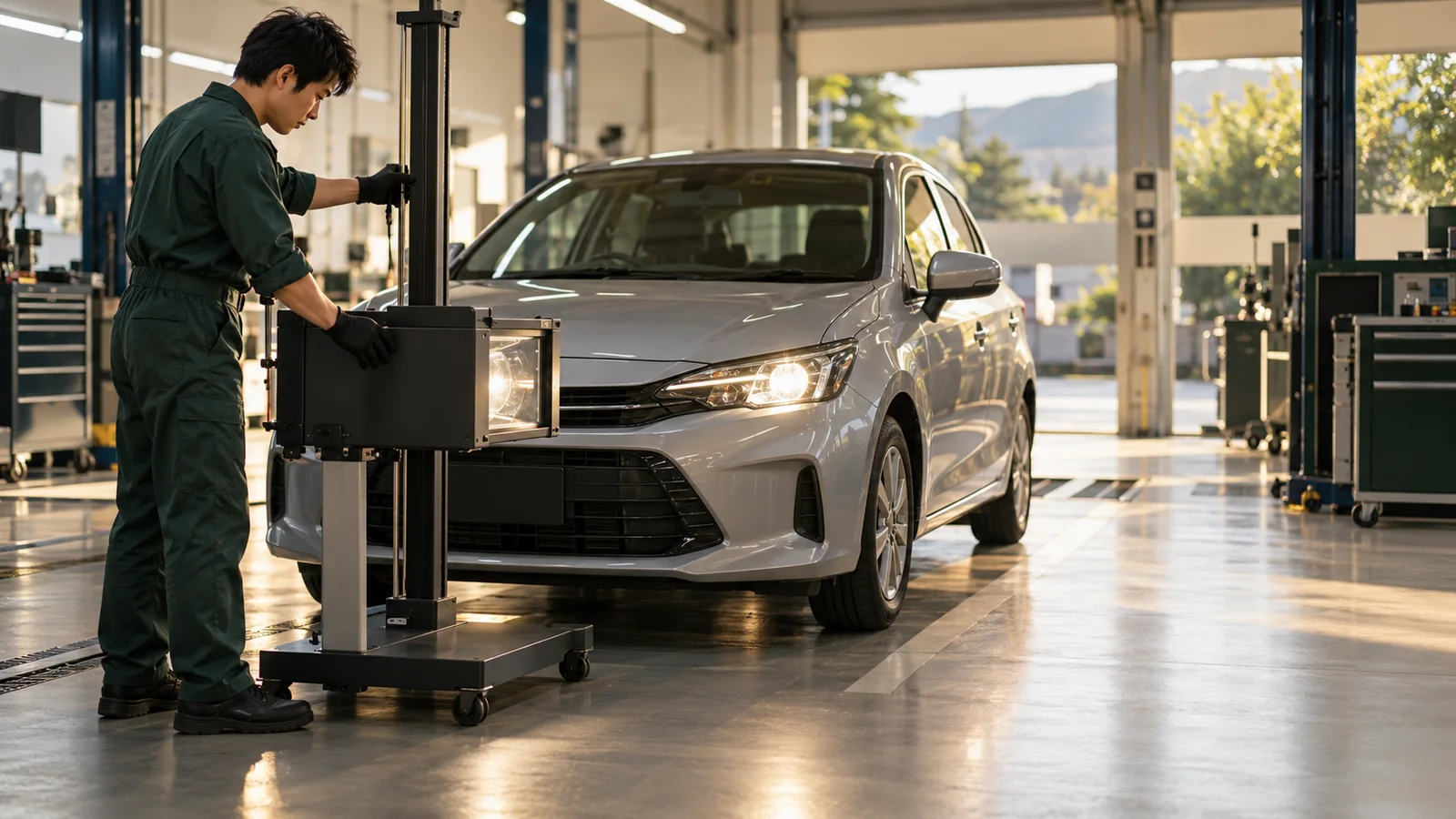
Read the 2026 change without overlooking its scope
Some pages still explain earlier transition arrangements. Read the effective date and vehicle scope in the official notice, not merely the year printed in an article title. A previous inspection performed under an earlier arrangement does not establish the procedure for today's visit. Bring the vehicle's official information when asking about applicability. If the manufacture date or category is uncertain, let the responsible workshop or inspection office identify the appropriate conditions.
NALTEC also published a September 2026 notice on low-beam measurement results for the relevant vehicle population. A national aggregate is context, not a prediction for your individual car. It should not be used to reassure a driver that a visibly defective lamp is likely to pass, or to claim that a particular garage has a superior success rate. Your vehicle needs its own assessment. This article's source check date is October 4, 2026.
For a useful reading method, keep a small source card with the issuing organization, the document date, its effective date and the scope you have confirmed. Add the question that remains unanswered. For example, an owner of an older imported car may need applicability clarified before comparing repair options. Another owner may already know the category and simply need a measurement appointment. These are different starting points. The official notice supplies the framework; the workshop supplies information about the actual car. Neither should be replaced by a blanket promise that every vehicle needs a new headlight assembly because a testing method has changed.
Source notes: 国土交通省・NALTEC・軽検協:2026年8月ロービーム計測への移行 ↗ · NALTEC:2026年9月のロービーム計測資料 ↗
Ask what the lens condition actually explains
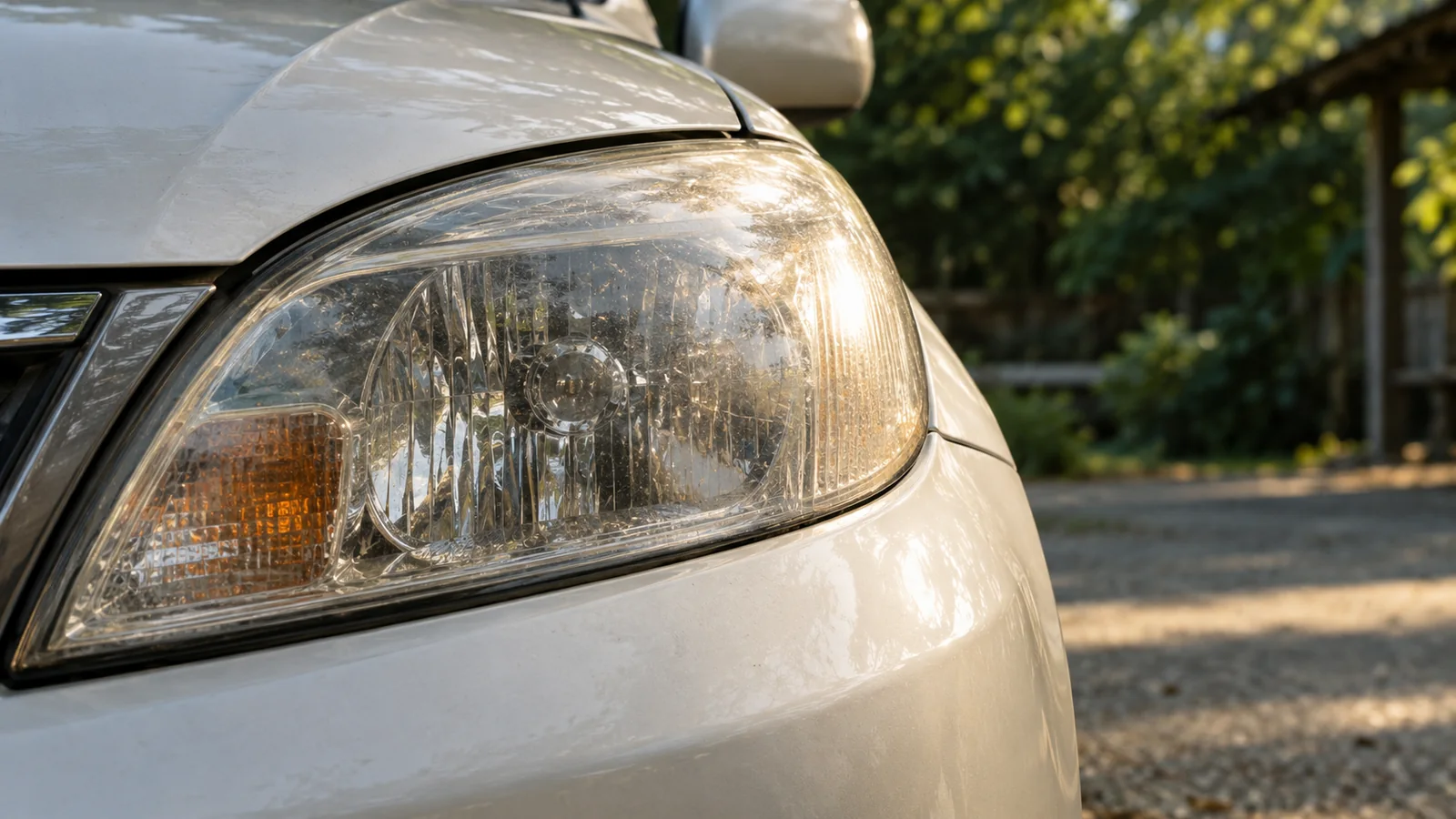
If the lens looks yellow or cloudy, describe that observation without deciding the repair in advance. Ask what part of the condition is being assessed and what measurement will show whether the proposed work helped. A photograph is useful for discussing a visible concern, but it cannot establish the whole lighting-system condition. The workshop may need to examine more than the outer surface before recommending a remedy.
For a polishing proposal, ask what is included: the surface treated, any protective finish, the check afterward and the conditions if the appearance deteriorates again. Compare those details across quotations. Two services both called "headlight restoration" may describe different work. Do not turn a cosmetic improvement into an assumed pass result, and do not treat a replacement assembly as automatically necessary before the cause is assessed.
An original practical approach is to make an outcome column beside each option. For appearance work, ask what visible condition it addresses. For measured adjustment or repair, ask what finding it is intended to change. For a replacement, ask why the existing unit is unsuitable and what compatibility checks are included. Then ask how the result will be evaluated. This gives you a defensible decision process without instructing you to dismantle, abrade or chemically treat a lamp yourself. Where safety or technical uncertainty exists, use a qualified workshop. Your preparation should reduce uncertainty about the proposed work, rather than encourage repeated experiments because a general article made an inexpensive remedy sound universal.
Compare installed compatibility rather than product brightness claims
If an aftermarket bulb is installed, gather the actual product details and any installation record. Ask the workshop to assess that installed combination rather than asking only whether the brand is "inspection compatible." Autobacs' headlight guidance notes that an inspection-compatible product label does not remove possible vehicle-side problems. Keep that distinction visible when a replacement is proposed. The advertisement describes a product; the assessment concerns a complete installed system.
Avoid making headline brightness figures the only comparison. You want the correct application, the work needed for installation and the checks included afterward. Ask which exact component the quotation covers and whether adjustment is part of the price. If the garage proposes returning to another specification, ask for the reasoning and the details of that option. A useful answer should be about your vehicle's condition, not merely about which box on the shelf has the most persuasive packaging.
Before buying separately, establish who will fit the part and on what terms. A workshop may have conditions for customer-supplied components, and you need to know those before creating a purchase commitment. Ask about compatibility verification, responsibility if the supplied part is unsuitable and the effect on the appointment. Do not assume any store will install a component obtained elsewhere or guarantee its result. Near an inspection deadline, an unconfirmed product order can add more delay than it solves. Keep purchase, installation and testing as separate stages until the provider has described a coherent plan for all three.
Source notes: オートバックス:ヘッドライト不適合・部品と調整の確認 ↗
Ask about aim and levelling without attempting an improvised adjustment
When aim is identified as the concern, ask whether the proposed service is adjustment alone or also assessment of a related mechanism. Explain any known changes to ride height, recent repairs or relevant warning indications. Leave the technical diagnosis to the workshop. A pattern seen on a household wall can be an observation, but it should not be presented as an official conformity measurement or a reason to turn adjustment screws without appropriate knowledge.
Ask what the appointment includes. Will the garage measure the current condition, perform the proposed adjustment and check it afterward? Is it accepting a standalone preparation job before a self-arranged inspection, or only a service within a broader workshop booking? Autobacs states that acceptance of an aim-adjustment-only request can vary by store. Confirm locally instead of assuming that a national logo means every location offers the same appointment type.
Prepare for the visit by explaining the actual use and recent changes honestly. Do not conceal a modification because you think the garage will quote more work. Equally, do not say every change caused the problem when you have no assessment. Your note can state what changed and when, with the cause still unknown. That gives the technician relevant context without steering the diagnosis. Keep the agreed outcome in practical terms: which check will be completed and how the garage will explain the finding. A service that has been measured and documented is easier to compare than a vague promise to "make the beam look right."
Source notes: オートバックス:ヘッドライト不適合・部品と調整の確認 ↗

Confirm the assessment service before arriving
Before attending, confirm that the garage is offering the assessment you need. Give the vehicle model, relevant official information, known bulb details, your observations and the inspection deadline. Ask whether it accepts a measurement-focused visit, whether there is an assessment charge and what the initial quotation will cover. 車検.jp does not retrieve workshop equipment inventories or live slots, so the actual provider must answer those questions.
Use a short request such as: "I would like the headlight condition measured before deciding on repair. This is the vehicle and the observation. Could you tell me what the visit includes, whether an assessment charge applies and when additional work would need my approval?" Adapt it to your situation. If the inspection has already failed, state the recorded item and bring the papers requested. Do not describe a preparation enquiry as a confirmed repair instruction.
Ask reception to repeat the purpose of the visit in the confirmation. This is especially useful when the workshop has a general inspection calendar but different arrangements for diagnosis. A blank slot on a booking page does not explain whether the required staff or service is available. Discuss the work, not just the time. Agree that component orders and extra repairs will be explained before authorization. Then keep the confirmation with your vehicle notes. A carefully framed assessment visit can produce a useful answer even if the eventual repair cannot be completed immediately, because you will know the next dependency instead of arriving with an unverified expectation of a quick adjustment.
Compare diagnosis, work and the check after repair
Compare quotations with the same columns: assessment, parts, labor, adjustment, checks after the work and warranty conditions. Ask whether the amounts include tax. If a quotation includes only a component, it cannot be compared directly with a quotation including removal, installation and measurement. Find the missing scope first. A lower displayed number may simply represent a smaller part of the work.
When two providers propose different remedies, ask each to explain which finding supports its option. You may be comparing surface treatment with a replacement unit, or a new component with a used one. Those are different choices with different condition and availability questions. Ask about compatibility, the condition being supplied and the written warranty terms. Do not expect a website to verify an individual used component from a model name alone.
For your worksheet, put the proposed outcome next to each cost. Assessment should produce an explanation; the repair should address the finding the provider identified; the follow-up check should show what changed. A quotation that cannot explain those connections needs clarification. Record additional-work approval and the action to take if the first step does not resolve the concern. This is a comparison method, not a guaranteed repair sequence. Use confirmed numbers in the free comparison tool and leave uncertain charges marked as pending. The aim is to understand the whole commitment before authorizing it, rather than to publish a universal lowest-price figure that ignores the condition of your car and the scope offered by the actual garage.
Ask what was checked after the work
After the work, ask the workshop to describe what was done and what was checked. Keep the work event and the inspection result separate. "The bulb has been replaced" describes an action. "The relevant condition was measured afterward" describes a check. "The inspection procedure is complete" describes another stage. Your record should not turn one stage into another because a short message sounded reassuring.
Ask how the finding compares with the initial assessment and whether any remaining issue needs attention. The answer may be straightforward, but it still helps you understand what you purchased. If more work is proposed, request an explanation and revised scope before approving it. Do not treat the first quotation as an unlimited authorization. Equally, recognize that an assessment can reveal another concern; a clear agreement should explain how that situation will be handled rather than promise it can never occur.
Preserve the invoice, the relevant part information and any warranty terms. Keep a note of the completion date and the explanation given at handover. If a concern appears later, contact the provider with that factual record and the new observation. Avoid diagnosing the cause yourself from a photograph or claiming the work failed solely because the appearance changed. The workshop can assess the actual issue. Before leaving, confirm any outstanding administrative step, collection arrangement or future appointment. Clear handover protects the value of the repair and helps you distinguish a completed workshop task from a completed inspection process.

Build a fallback when the deadline is close
If the inspection deadline is near, list the stages separately: assessment, work approval, component availability, repair, workshop check and any required retest. Ask which stage is confirmed. A local Kobac provider's September 2026 article explains that repair timing can depend on the cause and component procurement. That is a useful provider-specific example, not evidence that every branch can complete a repair the same day.
Make a fallback plan before an uncertain delivery controls the whole schedule. Identify alternative travel for work or family needs, and ask the garage how it will update you if the part is delayed. If the car has already failed inspection, use the returned documents and official retest guidance to plan the next procedure. If the existing inspection expires, resolve appropriate transport instead of treating a booked repair as permission to drive.
An original planning method is to mark each stage green only in your private notes when the responsible party has confirmed it, and mark unresolved stages as pending with an owner and a question. These are your planning labels, not a safety certificate or website verification. For example, a garage may confirm an assessment time while component delivery remains pending. Your employer can then be told you have an assessment appointment, rather than a guaranteed collection time. This small distinction prevents a tight deadline from producing misleading commitments. It also helps you select the most useful next action: obtaining the missing part answer, arranging transport or clarifying a retest document, rather than repeatedly searching for a promise of instant completion.
Source notes: コバック上田材木町店:2026年9月のヘッドライト・修理時期の案内 ↗
Work through three examples without assuming the diagnosis
Example one: an owner sees yellowing on both lenses but has no recent measurement. The useful first visit is an assessment that explains what the visible condition does and does not establish. The owner asks what any proposed surface work includes and how the result will be checked. The decision should follow that explanation, not a belief that every yellow lens must be replaced or that every polish guarantees a pass.
Example two: a bulb was changed outside the original specification and a concern was later recorded. The owner brings the actual product and installation details when requested. The workshop assesses the installed combination and explains its proposal. A replacement decision should address that finding. Simply buying another brightly advertised product would create a second purchase without resolving the compatibility question that made the first assessment useful.
Example three: the workshop has explained a proposed unit replacement but cannot confirm delivery before expiry. The owner compares the repair scope, asks for a delivery update and prepares alternative mobility. If validity expires, the transport plan is adjusted accordingly. These are hypothetical examples, not stories about our customers or photographs of actual service outcomes. They show why the same broad search phrase can hide different practical needs. Start with the unresolved question in your own case, obtain an answer from the responsible provider and record it before committing to the next stage. The illustrations on this page support the explanation; they are not measurement records, endorsements or evidence of workshop experience.

Choose a provider by the explanation and confirmed conditions
Choose a provider by what it can confirm for your actual enquiry. Does it offer the relevant assessment? Will it explain the finding and the proposed work? Does its quotation define parts, labor and the follow-up check? How will additional authorization be obtained? These questions support an informed choice without asserting that one national brand automatically produces a better result for every vehicle.
Location and opening arrangements matter because you must complete the real handover. A nearby provider may be practical for an assessment visit, while another may offer a particular repair option you need. Verify those conditions directly. This website's area pages can help you organize location and preparation information, but they do not show live garage capacity or confirm that a workshop accepts your model. A provider's own current response is the necessary next step.
If you obtain two opinions, give both providers the same observations and records. Compare the explanation and scope, not just the total. A reference price from a garage that has not seen the vehicle is different from a repair quote following an assessment. Label each accordingly. Ask for clarification where the proposals diverge and avoid claiming a provider is dishonest merely because it recommends another option. Evidence of the finding and a coherent repair plan make the decision stronger. Keep the final instruction specific so the garage knows which work you have approved and which alternatives you are still considering. This is a practical provider-selection method, not an unsupported ranking of all Japanese workshops.
Save the three outcomes as separate records
Keep assessment, repair and official inspection as separate records. The assessment explains the finding; the repair invoice describes the work; the inspection record describes the procedure's result. Preserving all three makes later questions easier to ask. You do not need a complicated digital archive. A labelled folder and a short date note can be enough, provided you can identify the vehicle and the relevant visit.
Do not read a completed repair as a promise that no future fault can occur. If something changes, describe the observation and contact the workshop using the record of what was done. This is more useful than attributing every later symptom to the same component without an assessment. Keep any warranty terms accessible and use the provider's process for questions. The preparation guide cannot replace that process or determine the cause of a later issue.
Use the free checklist and preparation pack without email if you prefer. If an optional email request is available and useful to you, review its purpose and consent information before choosing it. You do not need to send official papers, detailed measurement records or identity documents to this website to use a planning tool. A checklist helps you organize the conversation; it does not certify a lighting system. Save the practical questions that helped during this visit so your next inspection starts with better information. That is a lasting benefit independent of whether you register for messages, which garage you choose or which repair option proves appropriate after the vehicle is assessed.
FAQ: Headlights and inspection preparation
Will a headlight pass if it looks bright?
Appearance alone cannot determine conformity. Obtain the applicable measured assessment from the workshop or inspection process. Keep your observations separate from the actual findings so a bright-looking product or photograph does not become a substitute for checking the installed vehicle.
Does the 2026 transition apply to every vehicle?
The official notice has manufacture-date conditions and category exclusions. Confirm the actual vehicle's scope with its information and the responsible provider. Do not extend a passenger-car explanation to motorcycles, trailers or other excluded categories merely because they also have lights.
Does yellowing always require an assembly replacement?
Do not choose solely from appearance. Ask what has been assessed, what the proposed remedy addresses and how the result will be checked. A surface treatment and a unit replacement are different services, so compare the reasoning and scope before their prices.
Does an inspection-compatible LED label guarantee a pass?
No product label can establish the condition of the whole installed vehicle. Ask about compatibility, fitting and the relevant checks. Bring the actual product information when requested, especially if the concern followed a recent replacement or a change whose details are uncertain.
Can I book aim adjustment alone?
Acceptance depends on the provider and its local arrangements. Confirm the assessment, adjustment and check included before attending. Do not assume a general inspection calendar offers every specialist service or that every location under the same brand has the same appointment options.
Is checking the beam against a home wall enough?
It may be an observation to discuss, but it is not an official assessment. Avoid converting that observation into a pass claim or attempting an improvised adjustment. Ask a qualified provider to explain the actual finding and the work required.
Can I consider a used replacement unit?
If the garage proposes one, ask about compatibility, supplied condition, warranty, availability and checks after installation. Compare it as its own option, not as an identical version of a new unit. The website cannot verify a specific component from a general vehicle description.
Can the repair always finish the same day?
No. The cause, part availability, work schedule and check afterward all affect the plan. Ask which stage is confirmed and arrange alternative travel for uncertainty. An assessment appointment should not be described to others as a guaranteed collection time.
What happens if the inspection has already failed?
Keep the recorded item and returned papers, confirm the applicable retest procedure and separate the existing expiry from any procedural deadline. Coordinate repair and transport around those facts. The dedicated retest guide gives a fuller preparation method for that situation.
Does the preparation pack tell me whether my car passes?
No. It organizes questions, records and dates. Actual conformity requires the appropriate vehicle assessment and inspection process. Use the pack without email if you prefer, and make any optional communication choice separately from the workshop and official arrangements.
References and primary sources
Checked: 2026-10-04. Confirm current procedures, prices and conditions with the official source and workshop. Hypothetical amounts and scenarios are not market-price guarantees or customer results.
- 国土交通省・NALTEC・軽検協:2026年8月ロービーム計測への移行 ↗
- NALTEC:2026年9月のロービーム計測資料 ↗
- オートバックス:ヘッドライト不適合・部品と調整の確認 ↗
- コバック上田材木町店:2026年9月のヘッドライト・修理時期の案内 ↗
General preparation guidance. This is not an individual vehicle assessment. See our editorial policy for sources and corrections. Editorial policy →
Turn the guide into a plan.
Organize confirmed conditions and prepare the questions for your workshop.
Open the free tool