
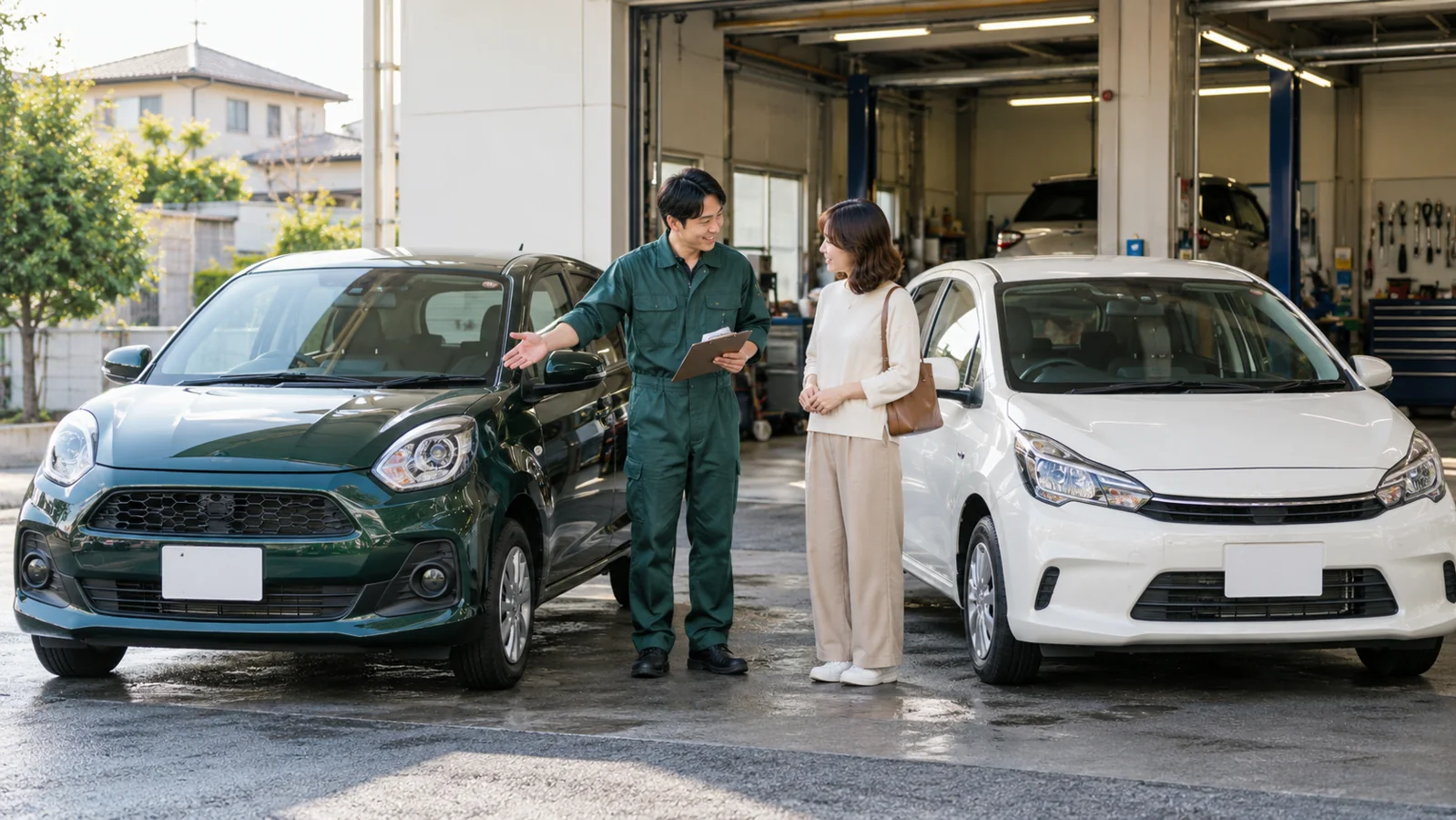
Check loaner availability, permitted drivers, insurance responsibilities, fuel, extensions, family fit and return conditions before comparing inspection arrangements.
General preparation guidance for private passenger cars. This is not a vehicle diagnosis, confirmed quote or available appointment.
Five checks for your next step.
Tick the items you have checked and identify the next question. Progress lasts while this page stays open and is not submitted.
0 / 5 items organized
These ticks are preparation notes, not official verification, identity checks or booking confirmation.
Related area and preparation resources
The direct answer: confirm availability, permitted use and the complete cost
Treat the loaner as a separate reservation with separate conditions. An inspection booking does not by itself establish that a suitable replacement vehicle is available for your dates, drivers or daily journeys. Before committing, confirm the collection and return times, permitted drivers, vehicle requirements, borrowing charge, fuel arrangements and insurance responsibilities. Keep those answers alongside the inspection estimate rather than relying on a short promotional phrase.
The purpose is to keep ordinary life manageable while your car is unavailable. A cheaper inspection estimate may still create additional transport costs or an impossible school run. This guide helps you compare complete arrangements without claiming that any particular garage has a vehicle waiting. The examples are hypothetical planning exercises, and the illustrations depict preparation situations rather than actual customers, approved providers or service outcomes.
Separate a provider advertisement from your own confirmed booking
Autobacs' official guidance discusses checking local borrowing arrangements and booking ahead because replacement fleets are limited. Kobac also describes a loaner offer within its service information. Those provider pages are useful starting points, but they do not establish a universal free-loaner entitlement across every garage, course and date. Ask the actual branch what applies to your inspection request and retain the response.
A simple evidence column prevents misunderstandings: advertisement seen, question sent, and personal booking confirmed. Only the third state should appear as confirmed in your household plan. A small photograph on a provider page cannot tell you whether a particular child seat will fit or whether that vehicle will be assigned to you. If calling is inconvenient, send a short email with essential requirements. An unanswered request is still a request, not a reserved car, even when the workshop has accepted an inspection enquiry.
Source notes: オートバックス:車検の代車と貸出時の確認 ↗ · コバック:車検サービス案内 ↗
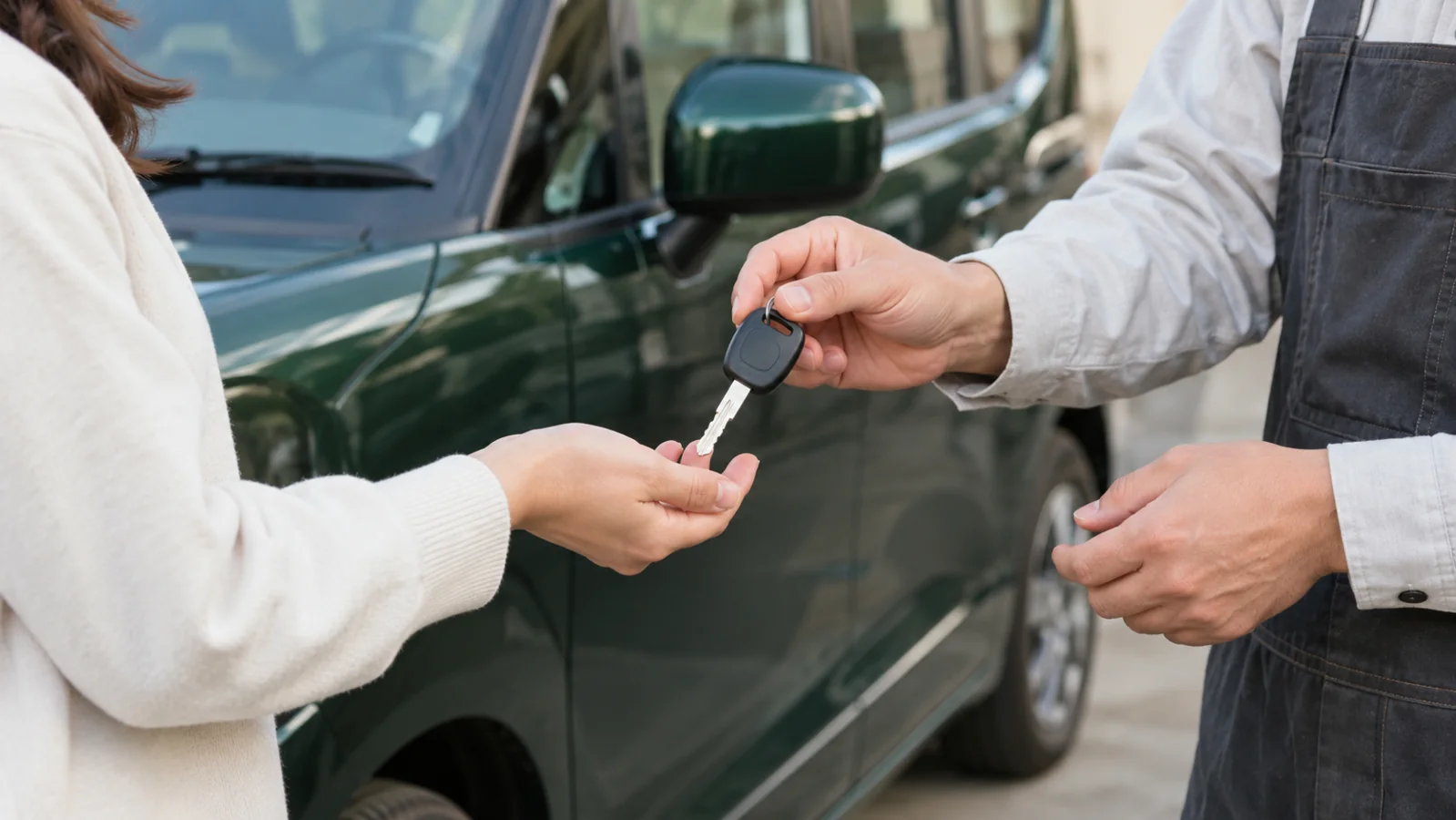
Prepare five useful details before asking for a vehicle
Prepare five details: preferred inspection date, realistic return availability, passenger count, people who will actually drive, and requirements you cannot compromise. Examples include two school-age children travelling together, an automatic transmission, a height-limited home parking space or luggage needed for work. Explain the practical requirement, rather than simply requesting something similar to your present car. The workshop can then respond to a concrete question.
Keep initial contact proportionate. You can describe a seating requirement without uploading a family document or publishing a driving licence image in a general enquiry. Use the provider's designated private process when identity checks are genuinely required. Also state whether your dates are flexible and what happens if completion slips overnight. Until a specific vehicle and borrowing period are confirmed, do not assume identical controls, cargo space, charging equipment or accessibility features. A five-minute requirements list often saves a much longer argument at collection.
Insurance: ask who is covered and what remains your responsibility
Ask the garage about the loaner's insurance, authorised drivers, liability to other people and property, damage to the borrowed vehicle, any excess, and the accident reporting contact. The phrase insured does not answer all of those questions. Read the borrowing agreement and request an explanation of unclear items before signing. In particular, ask whether an amount quoted as your responsibility is a policy excess, a separate contractual charge or something else.
Ask your own insurer about your actual policy rather than assuming your everyday cover automatically transfers unchanged. Tokio Marine's official FAQ distinguishes temporarily borrowing a repair replacement vehicle from replacing the insured vehicle on a contract, and refers to possible other-car-driving endorsement protection. That is not a guarantee for every policy, driver or loss. Tell your insurer the borrowing circumstances and identify the intended drivers. This guide cannot determine an individual claim outcome. A clear written answer from the relevant insurer is more useful than a general reassurance from an unrelated website.
Source notes: 東京海上日動:一時的な代車と車両入替・補償 ↗
Check every intended driver, including family members
The person who arranges the inspection may not be the only person needing the loaner. A partner may use it for shopping, or a colleague may offer to return it. Ask whether each intended driver is permitted under the borrowing agreement and whether the relevant insurance conditions also accommodate them. Permission to borrow and insurance eligibility are separate questions; one answer should not silently stand in for the other.
Make a small driver plan before collection: who collects, who drives on each day, and who returns. If that plan changes, obtain clarification before another person takes the wheel. Share the agreed restrictions with the household, not just the location of the keys. For anyone unfamiliar with the vehicle, allow time to adjust the seat and mirrors and locate the transmission controls, lights and wipers. This preparation is especially valuable when a rushed morning journey would otherwise become the first opportunity to learn the controls.
Compare borrowing, fuel, extension and other possible charges
Use separate columns for the borrowing charge, fuel settlement, late return, extension, cleaning rules and potential loss responsibilities. A free borrowing headline may coexist with fuel costs or limits on the permitted period. A regional Yellow Hat operator in Fukuoka describes its own fuel settlement arrangements; that local statement should not be applied as a nationwide rule. Obtain the selected shop's conditions for your booking.
Record an unanswered price as unconfirmed rather than zero. At collection, ask which fuel the assigned vehicle requires and how the workshop wants fuel handled on return. Do not assume it matches your own car, or that topping up independently is always the required settlement method. Keep the agreed instructions with the borrowing details. If the workshop finishes early or unexpectedly needs another day, ask how the charge and return time change. Clear terms make a comparison meaningful; a table containing guessed zeros makes the apparently cheapest option misleading.
Source notes: 福岡イエローハット:地域店舗のサービス・代車案内 ↗
At handover, record condition and learn the controls
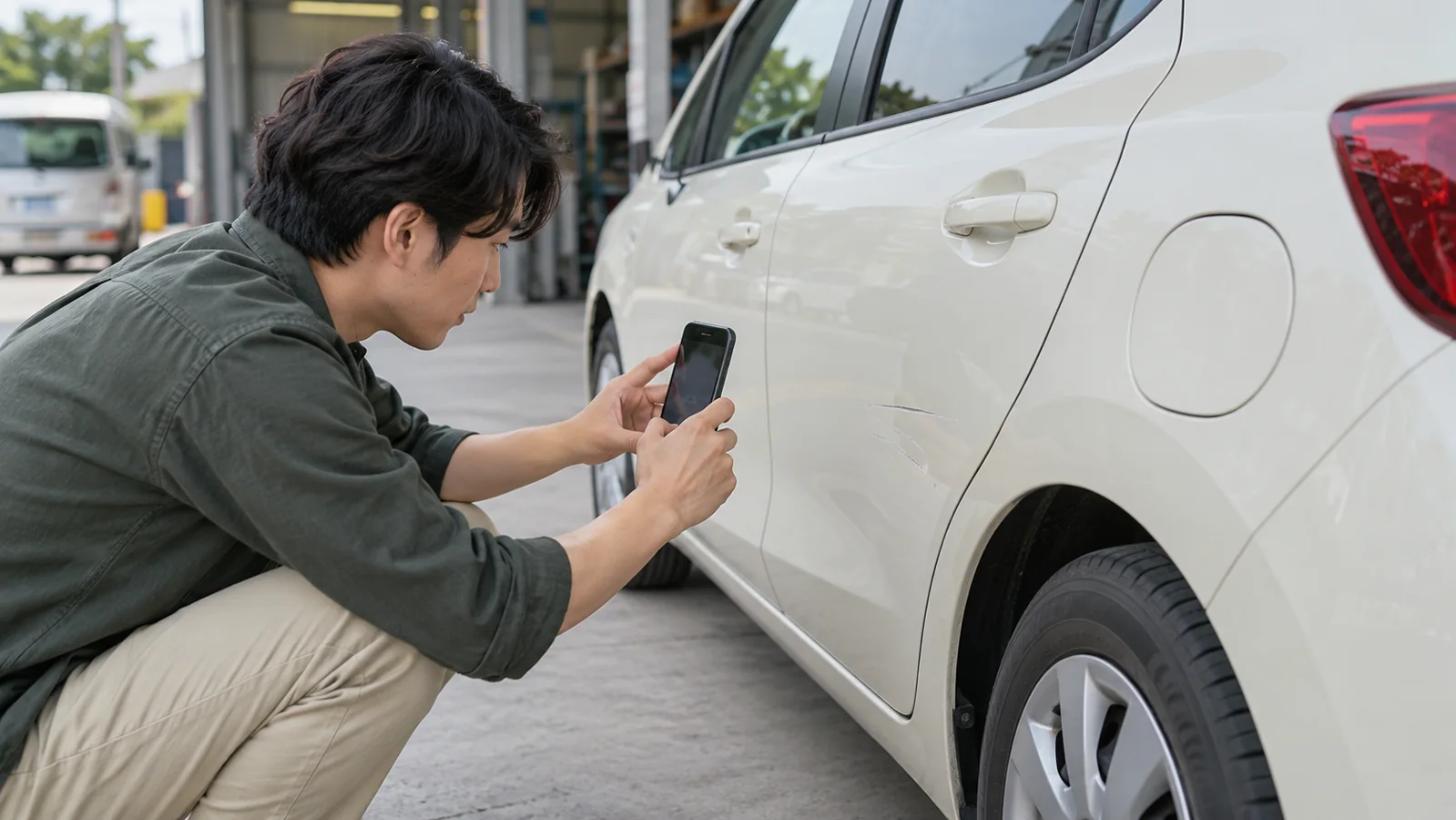
Inspect the vehicle with the staff member before leaving. Look at exterior panels, wheels, glass and the cabin, and note fuel or charge indicators according to the provider's process. If photographs are permitted, avoid capturing unrelated people, identity documents or other customers' private information. Ask the staff member to acknowledge existing marks in the handover record. Your private photographs can support a discussion, but they do not replace the agreed record.
Learning unfamiliar controls is part of a careful handover, not an embarrassing delay. Ask about the parking brake, fuel flap, gear selector, lights, wipers and any display you do not understand. Know who to contact if you notice a warning or unusual behaviour, including outside business hours. Do not start a journey merely to avoid holding up a queue when a material question remains unanswered. Give yourself enough collection time to check the car and understand the instructions without also trying to finish a telephone meeting.
Source notes: オートバックス:車検の代車と貸出時の確認 ↗
Family fit: seating, child seats, luggage and parking
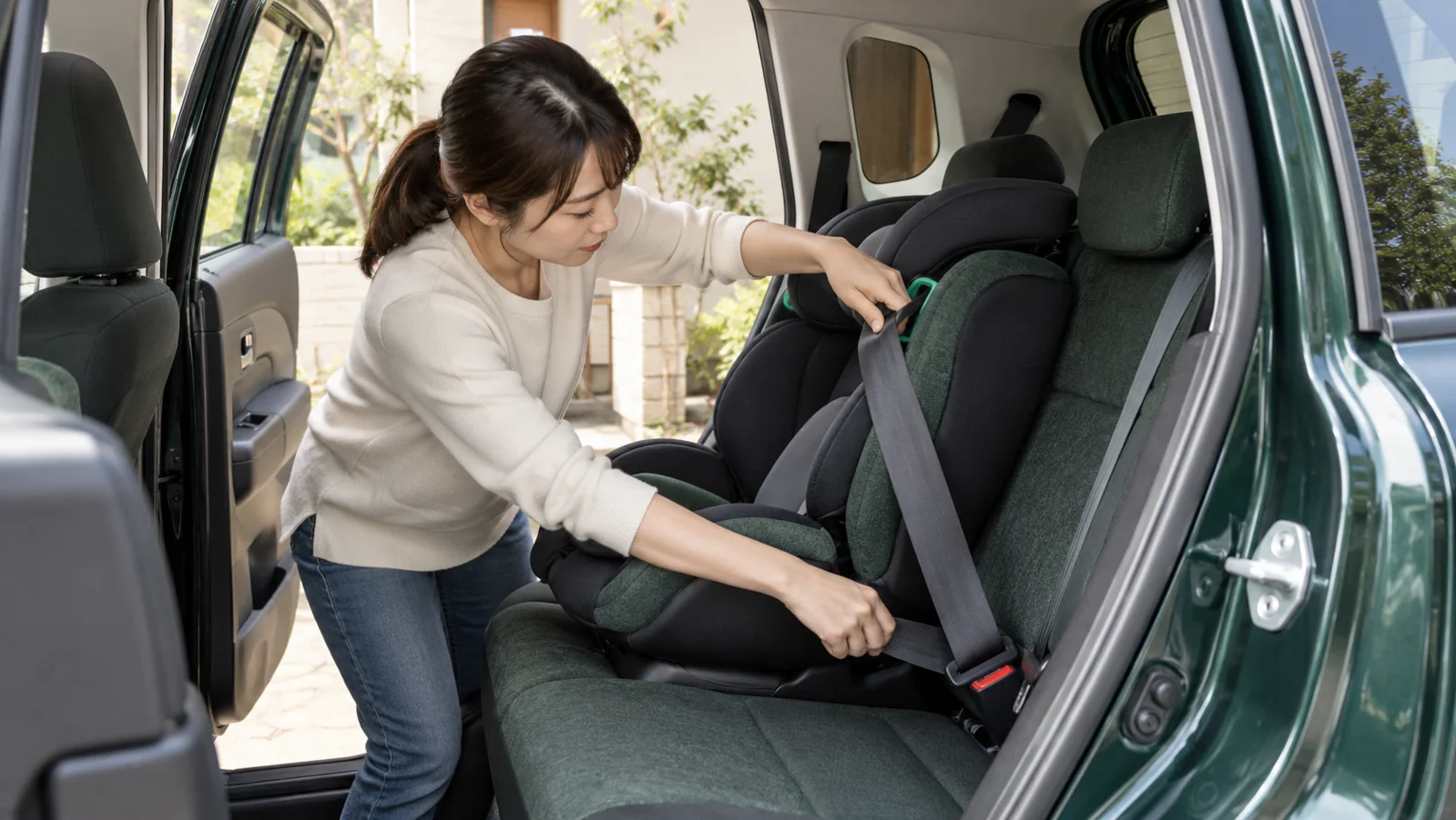
Passenger capacity and practical family fit are not the same thing. If you need to move a child seat, consult both the seat instructions and the assigned vehicle's instructions for compatibility and installation. A rear bench with sufficient seating positions does not automatically settle whether your particular arrangement works. Discuss essential luggage, a stroller or mobility equipment using actual dimensions where possible, rather than simply requesting a family car.
Consider the home parking space, narrow approach roads and where passengers will get in and out. If the available vehicle cannot meet essential requirements, compare another borrowing option, public transport, a lift or a different inspection date. Do not force an unsafe arrangement merely because a loaner is available. Preparing these questions before collection also helps the workshop explain limitations early, when alternatives remain easier to arrange. It is reasonable to decline an unsuitable vehicle and organise a workable plan rather than discovering the mismatch during the first journey.
A hypothetical comparison that includes transport costs
Consider an entirely hypothetical household comparison. Workshop A gives an inspection estimate of ¥82,000, while Workshop B gives ¥85,000. A cannot confirm a suitable loaner for the requested date, and the household estimates ¥4,000 for alternative journeys. B confirms the required borrowing arrangement, and the household estimates ¥1,000 for fuel. Both planning totals become ¥86,000. These invented amounts illustrate arithmetic, not local market prices or actual offers.
The worksheet still needs a separate uncertainty column for additional repair work, delays and possible accident responsibilities. Equal planning totals do not mean the arrangements are equally suitable. The household should compare school collection, work attendance, return deadlines and the clarity of insurance answers. If either transport estimate is unsupported, mark it provisional and investigate. The useful lesson is to compare the complete practical plan instead of choosing solely by the inspection headline. A slightly higher workshop estimate can sometimes fit a household better, while a loaner can sometimes add complications; neither outcome should be assumed in advance.
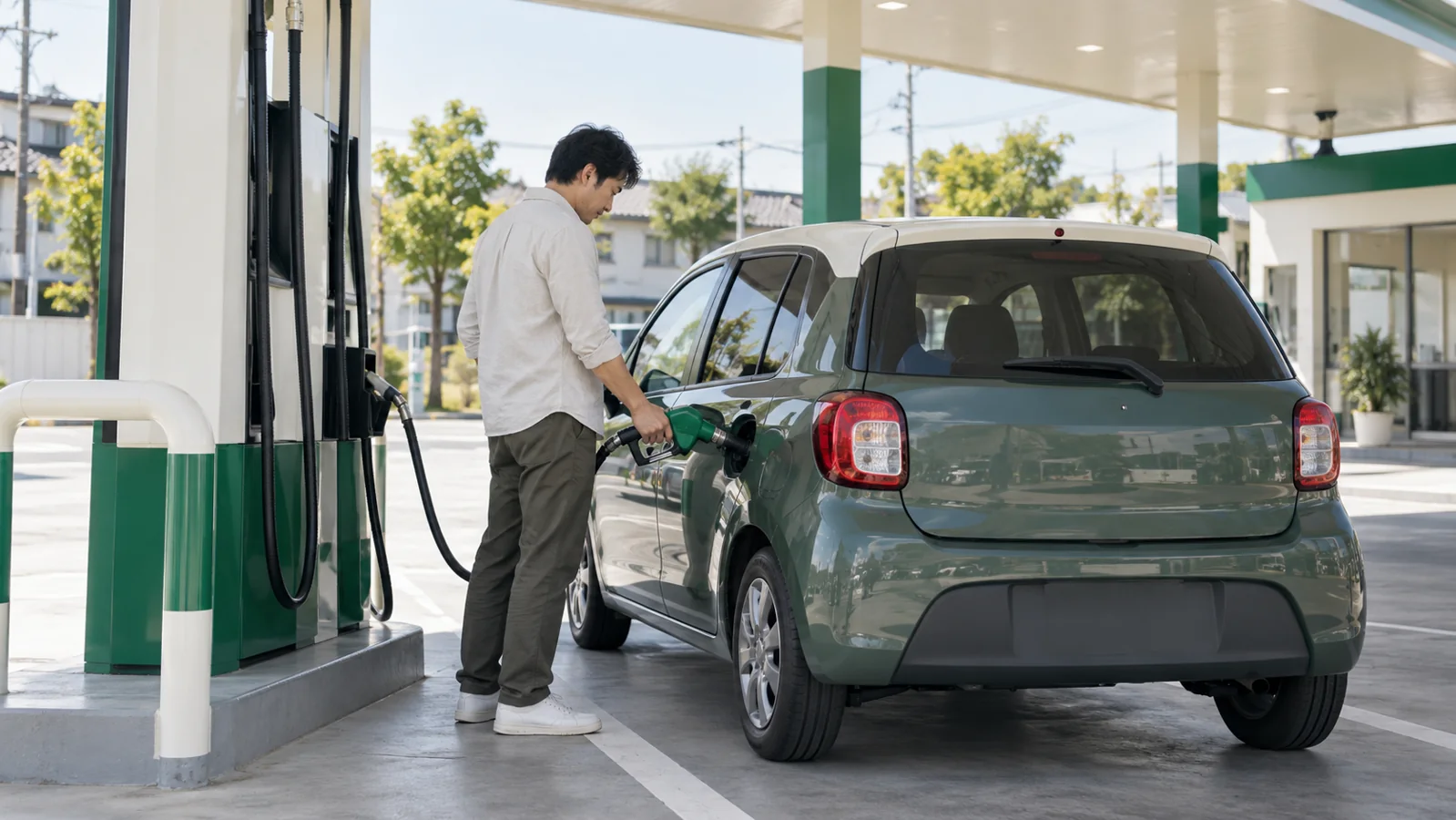
Plan for a delay without assuming unlimited borrowing
Before inspection, ask when the garage will contact you about additional work, whether a loaner extension requires separate approval, and what happens if you cannot return at the original time. An estimated repair completion date is not necessarily the same as the contractual return deadline. Confirm how changes are communicated, and make sure the workshop has the appropriate contact details without enrolling in unrelated marketing.
Keep two practical backup options. Perhaps a train works for the next morning, or a household member can provide a station lift. If a separate rental or taxi might be needed, check availability and cost independently; the existence of a backup category is not proof that a vehicle will be available later. Avoid a contradictory plan that requires driving your own expired-inspection vehicle to return the loaner. Your car's inspection and insurance status remain separate responsibilities. A brief fallback plan reduces pressure to accept an unclear extension or rush an unsafe collection.
If there is an accident, warning or breakdown
If an accident occurs, prioritise people's safety, necessary assistance, police contact and the reporting process agreed with the garage and insurer. Obtain the relevant contact details before departure, when reading the agreement is easy. Ask what to do outside opening hours and whether a separate assistance contact exists. Do not independently promise repairs or a private settlement before the responsible parties have explained the process.
A warning light or suspected breakdown also deserves a safe stop and advice from the lending provider. Borrowing the vehicle does not make continuing automatically safe. Record the time and relevant observations only from a safe position; never use a phone while driving to document a problem. The planning benefit is straightforward: knowing the contact route beforehand lets you focus on safety rather than search unfamiliar paperwork under pressure. This section is general preparation, not a diagnosis of a particular warning or a determination of insurance liability.
Source notes: オートバックス:車検の代車と貸出時の確認 ↗
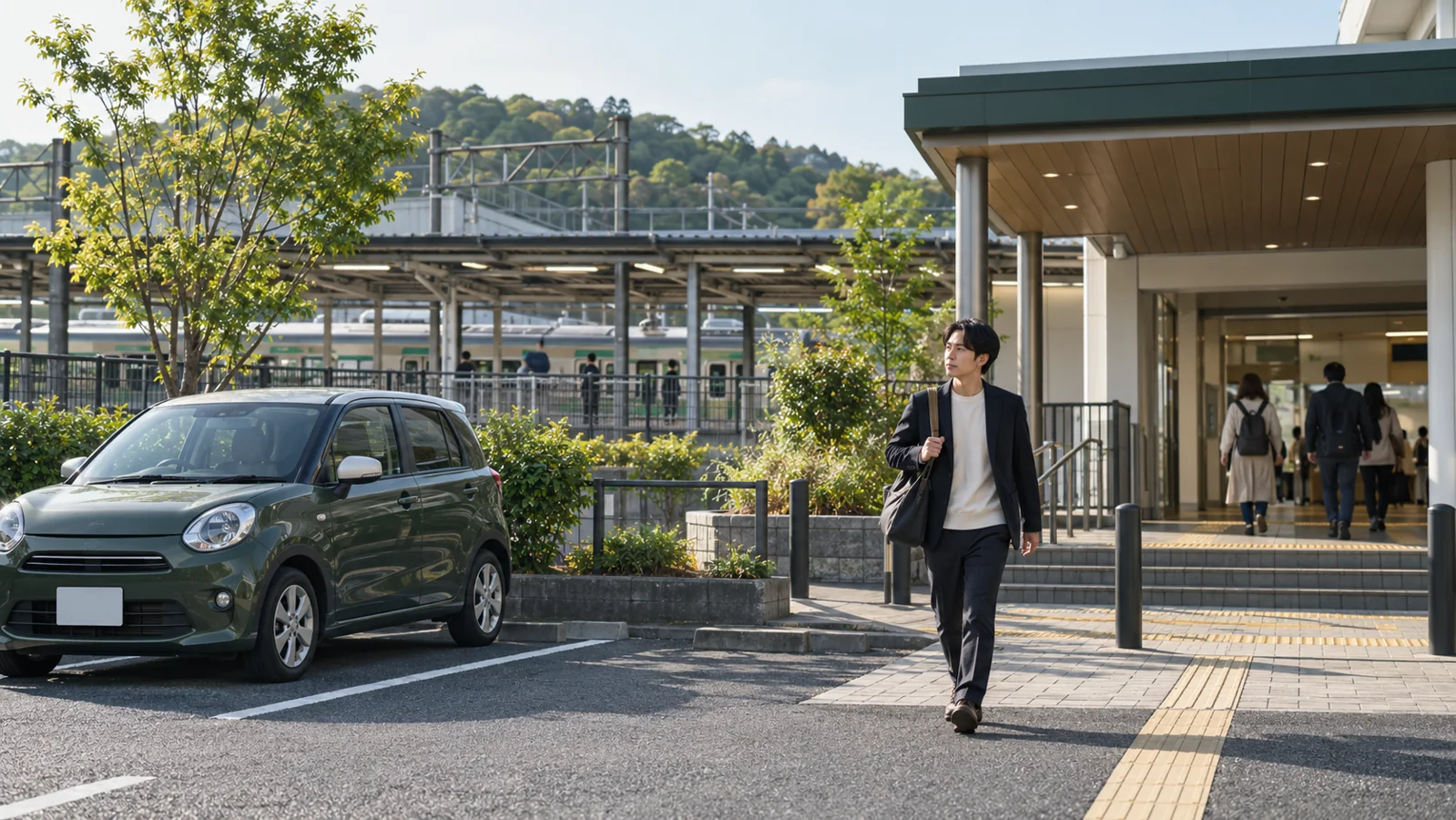
A return routine that avoids missing belongings and unclear charges
Before return, follow the agreed fuel or settlement instructions and check the cabin for belongings. Commonly overlooked items include a child seat, ETC card, charging cable, umbrella and work bag. If phone pairing or navigation has retained personal information, follow the vehicle's instructions to remove your own saved information while safely parked. Do not reset unrelated settings or attempt a complicated menu operation during the journey back.
At the workshop, review the vehicle condition with staff and ask for an explanation of any additional charge. Identify the item, calculation and agreement it relates to rather than accepting an unexplained total. Retain the completed return and settlement record. For next time, keep the useful requirements list and confirmed questions, while avoiding unnecessary long-term storage of identity document photographs. A clear close to the borrowing period is part of the inspection experience, not an administrative detail to postpone until someone later asks where a missing card or disputed charge came from.
Build a comparison worksheet that preserves uncertainty
Keep the completed worksheet somewhere you can find it at collection and return, rather than scattering the answers across unrelated message threads. Create a one-page worksheet with eight headings: requested dates, reservation status, passenger and equipment requirements, intended drivers, borrowing and fuel charges, return deadline, accident contacts, and outstanding questions. Add the date and source of each answer. A provider's current response can then be distinguished from an older advertisement or your own assumption. If the workshop later changes the assigned vehicle, revisit the requirements that depended on that vehicle rather than treating the first answer as permanent.
Give each item a status such as confirmed, provisional or unanswered. These are planning labels, not judgements about the provider. For example, confirmed availability may sit beside an unanswered insurance question. That combination means the vehicle might be available but the arrangement is not yet fully understood. It does not mean the insurance cost is zero, that every driver is accepted, or that you should immediately collect the keys. Keep the unresolved question visible until the responsible person answers it.
When comparing two workshops, resist assigning a winner before comparable information exists. Perhaps A has supplied a borrowing charge but not the return deadline, while B has explained driver conditions but has not confirmed a vehicle for the date. Send each workshop the missing questions, not a demand to beat a number taken from an incomplete comparison. This gives both providers a fair opportunity to describe the practical service, and gives your household a clearer basis for deciding.
You can share the planning sheet within your household without sharing licence scans, policy numbers or unrelated identity details. A family member usually needs to know the agreed drivers, collection time and return conditions, not every document used in verification. Once the booking is confirmed, mark the decision date and keep one current version. This small routine is useful whenever several people coordinate an inspection: it prevents one person's hopeful enquiry being mistaken for another person's confirmed transport plan.
FAQ: loaner reservations, insurance and return conditions
Does booking an inspection also reserve a loaner?
Not necessarily. State the required dates and essential vehicle conditions, then ask the workshop to confirm the borrowing arrangement separately from the inspection enquiry.
Are all inspection loaners free?
No universal promise applies. Confirm the selected shop, course and borrowing period, and ask about fuel, extension and other conditions even when an advertisement mentions free borrowing.
Can my partner drive the vehicle?
Check the borrowing agreement and relevant insurance conditions for that intended driver before they use it. Do not assume family membership alone settles both requirements.
Should I replace my insured vehicle with the loaner on my policy?
Temporary borrowing is different from a permanent vehicle change. Ask your own insurer about your circumstances and contract rather than making a change based on a general article.
Can I transfer my child's seat to the loaner?
Check the vehicle and seat instructions for compatibility and correct installation. Passenger capacity alone does not establish that the particular seat arrangement is suitable.
Must I return the vehicle with a full fuel tank?
Follow the selected provider's confirmed settlement method. Ask about fuel type and return instructions instead of assuming either full-tank return or distance-based charging.
Will borrowing automatically extend if repairs take another day?
Do not assume that. Ask about permission, possible charges and the effect on another customer's booking, and keep an independent alternative transport plan.
Are photographs enough to record existing damage?
They can help, but review condition with the staff member and ensure the agreed handover record reflects existing marks. Follow the workshop's recording process.
What should I do if no suitable loaner is available?
Compare public transport, a lift, another borrowing arrangement or a different inspection date using actual conditions. Keep safe family fit and legal transport requirements ahead of convenience.
Is email registration required for the free preparation pack?
No. You can open the pack without email. An optional request does not reserve a loaner, confirm insurance eligibility or approve an inspection appointment.
References and primary sources
Checked: 2026-10-03. Confirm current procedures, prices and conditions with the official source and workshop. Hypothetical amounts and scenarios are not market-price guarantees or customer results.
General preparation guidance. This is not an individual vehicle assessment. See our editorial policy for sources and corrections. Editorial policy →
Turn the guide into a plan.
Organize confirmed conditions and prepare the questions for your workshop.
Open the free tool